Textured Paper
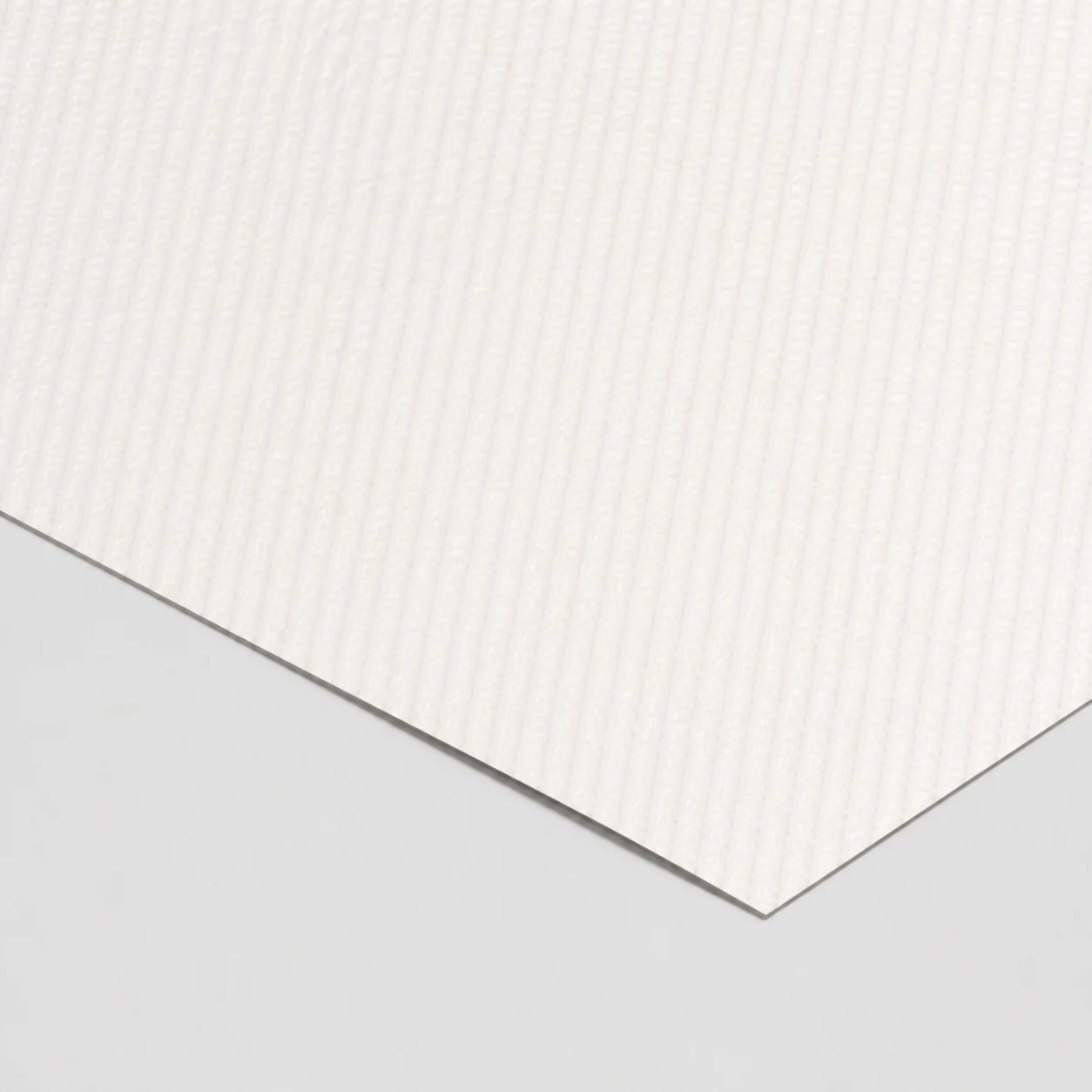
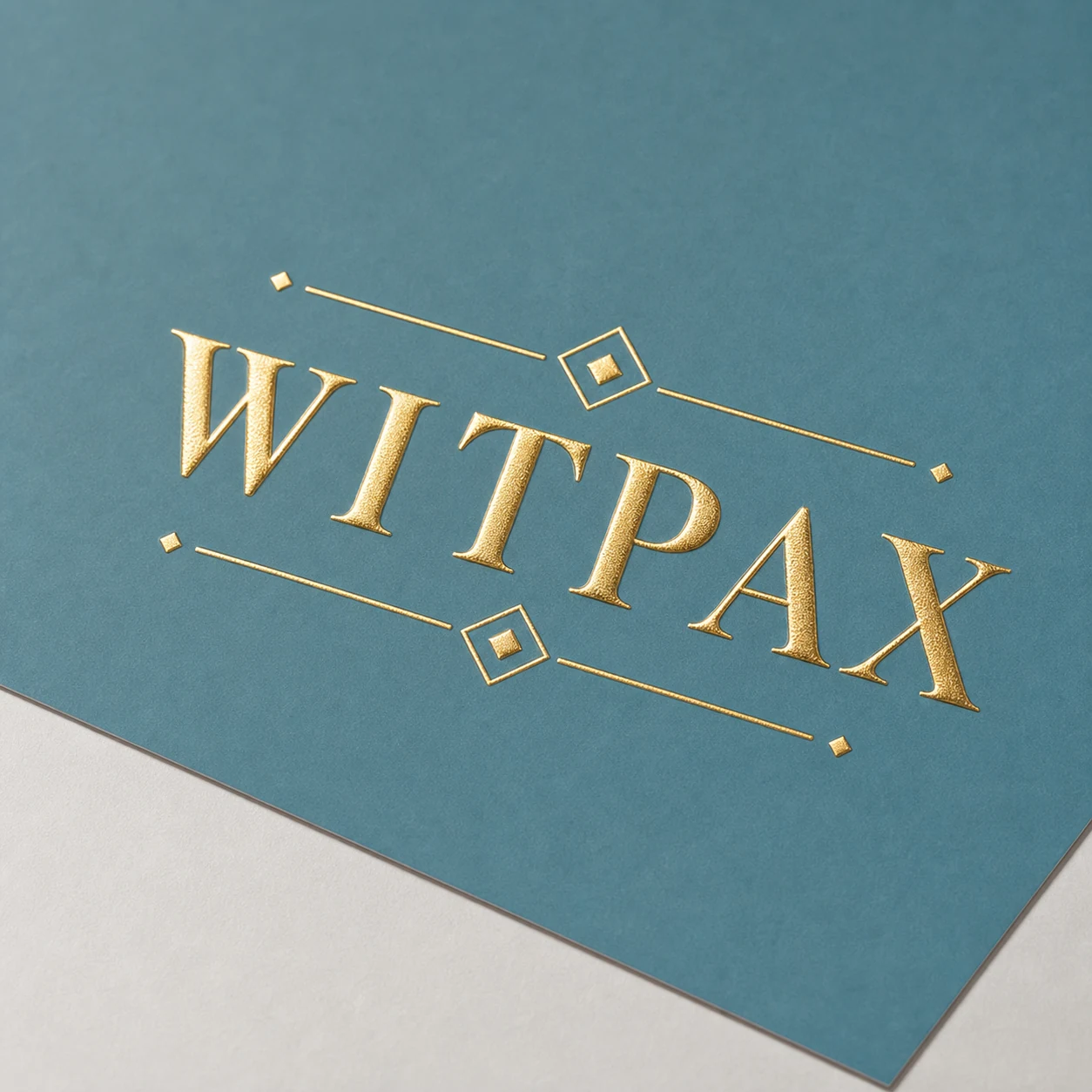
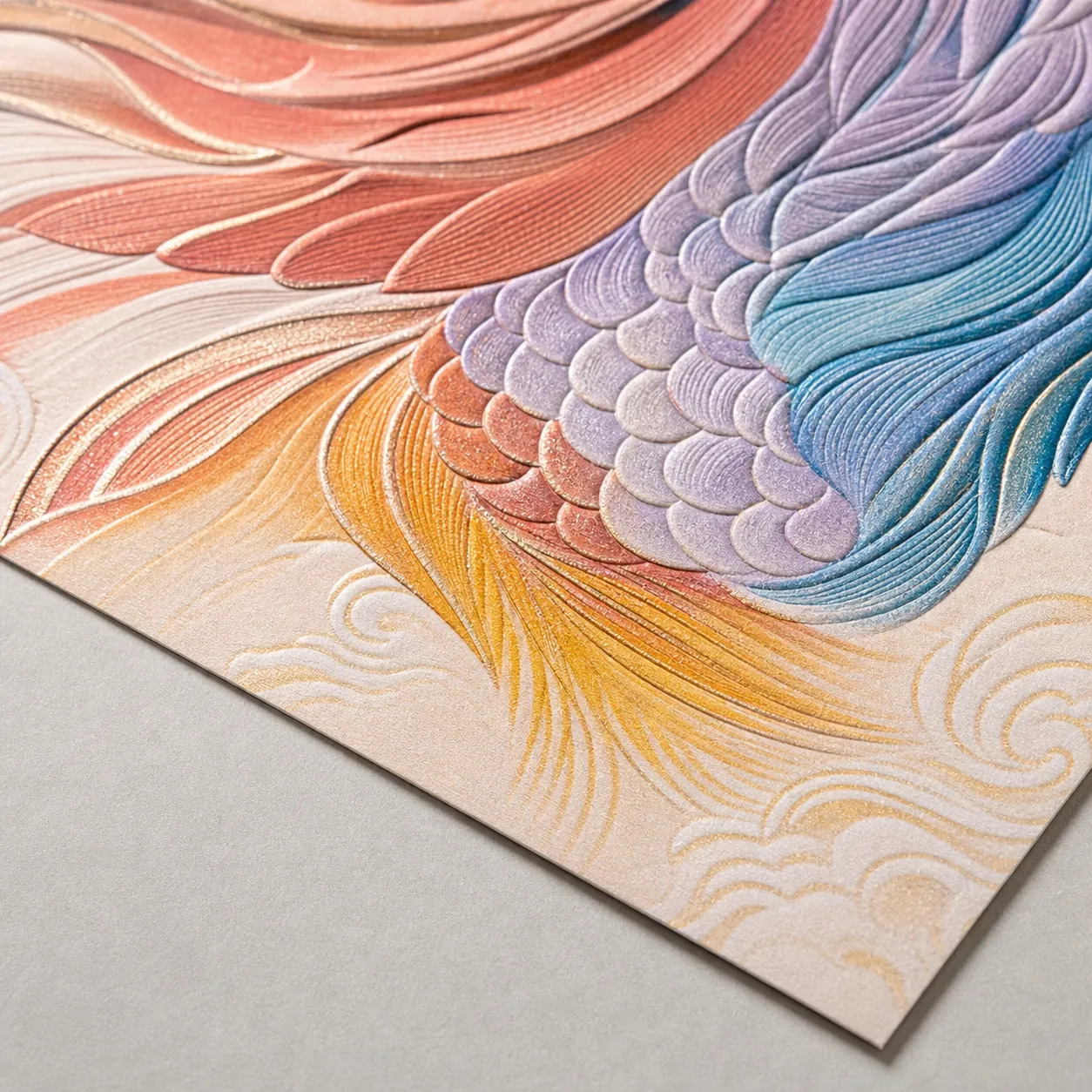
Textured paper features an embossed surface pattern that adds dimension and a tactile quality to packaging. Available in linen, felt, laid, and custom textures, it transforms a flat surface into something that invites touch and communicates craftsmanship.
Key Advantages
- Tactile brand differentiation: Texture creates a multisensory unboxing experience that flat paper cannot replicate
- Visual depth without foil or varnish: Surface patterns catch light naturally, reducing the need for costly finishing techniques
- Premium perceived value: Textured finishes instantly signal quality and attention to detail
- Wide pattern selection: Linen, felt, laid, hammered, and custom emboss options match any brand aesthetic
- Compatible with printing: Accepts offset and digital printing, though ink coverage may vary by texture depth
Common Applications
- Luxury rigid boxes: Wrap material for jewelry, cosmetics, and premium gift packaging presentations
- Wine and spirits packaging: Label wraps and presentation boxes with distinctive artisanal character
- Stationery and invitations: Business cards, letterheads, event packaging, and wedding stationery
- Corporate gift boxes: Sophisticated presentation for branded corporate gifting programs and client appreciation
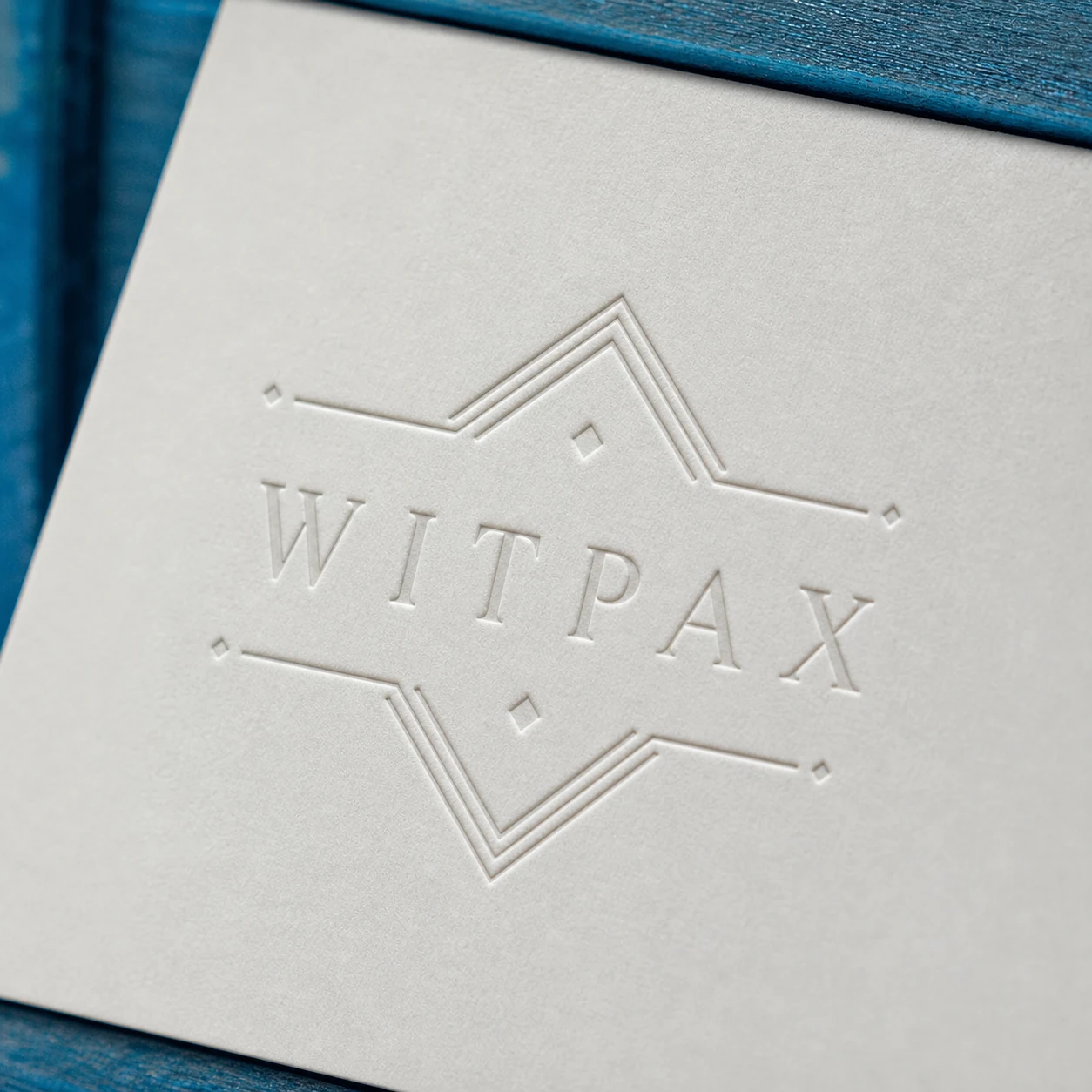
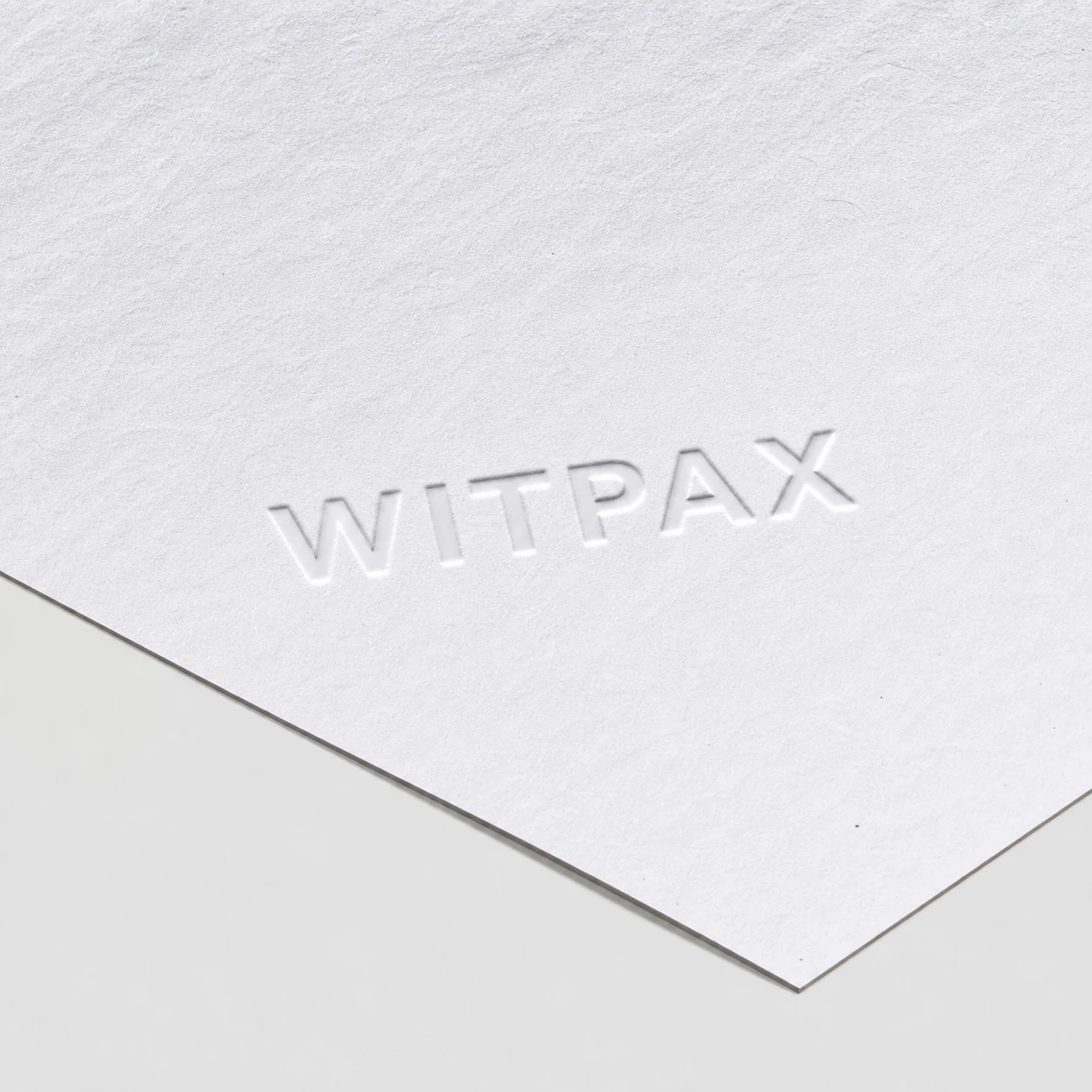
Industry insight: Textured paper works best as a wrapping material applied to rigid board. Pair with blind debossing for a subtle, tone-on-tone logo effect that feels sophisticated without visual clutter. The texture itself becomes a design element that distinguishes your packaging from competitors.
Best Used With
- Details
- Examples
Overview
Textured Paper introduces dimensional surface patterns—from subtle linen weaves to pronounced embossed textures—that transform packaging into a multi-sensory brand experience. These tactile surfaces engage consumers through touch, creating memorable unboxing moments that reinforce premium positioning and product quality perceptions.
The texture can be inherent to the papermaking process (like laid or linen finishes) or applied through embossing techniques that create custom patterns aligned with brand identity. Common textures include canvas, leather grain, woodgrain, geometric patterns, and organic motifs that complement product categories from cosmetics to spirits to artisanal foods.
Beyond aesthetic appeal, textured surfaces provide functional benefits including improved grip, fingerprint resistance, and visual interest under varied lighting conditions. The dimensional quality adds perceived value and sophistication while differentiating products in crowded retail environments where smooth, flat packaging dominates.
I am a heading
I am a heading
| Column |
|---|