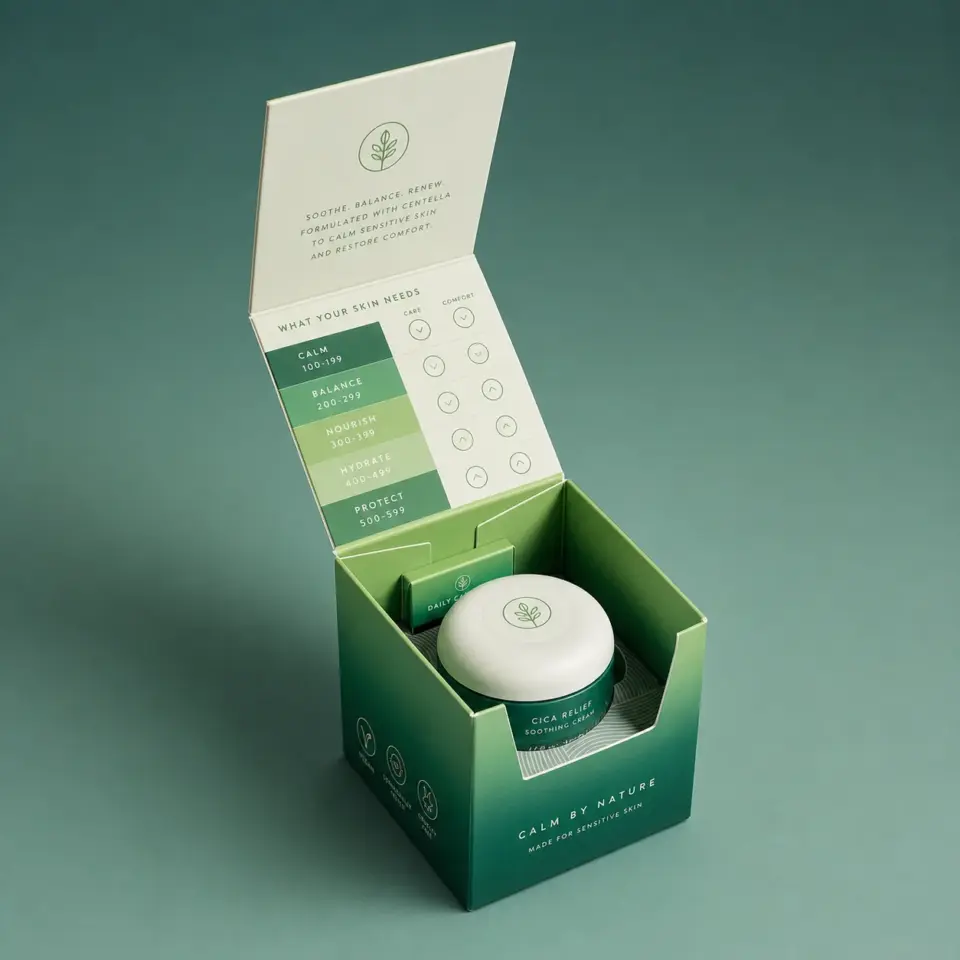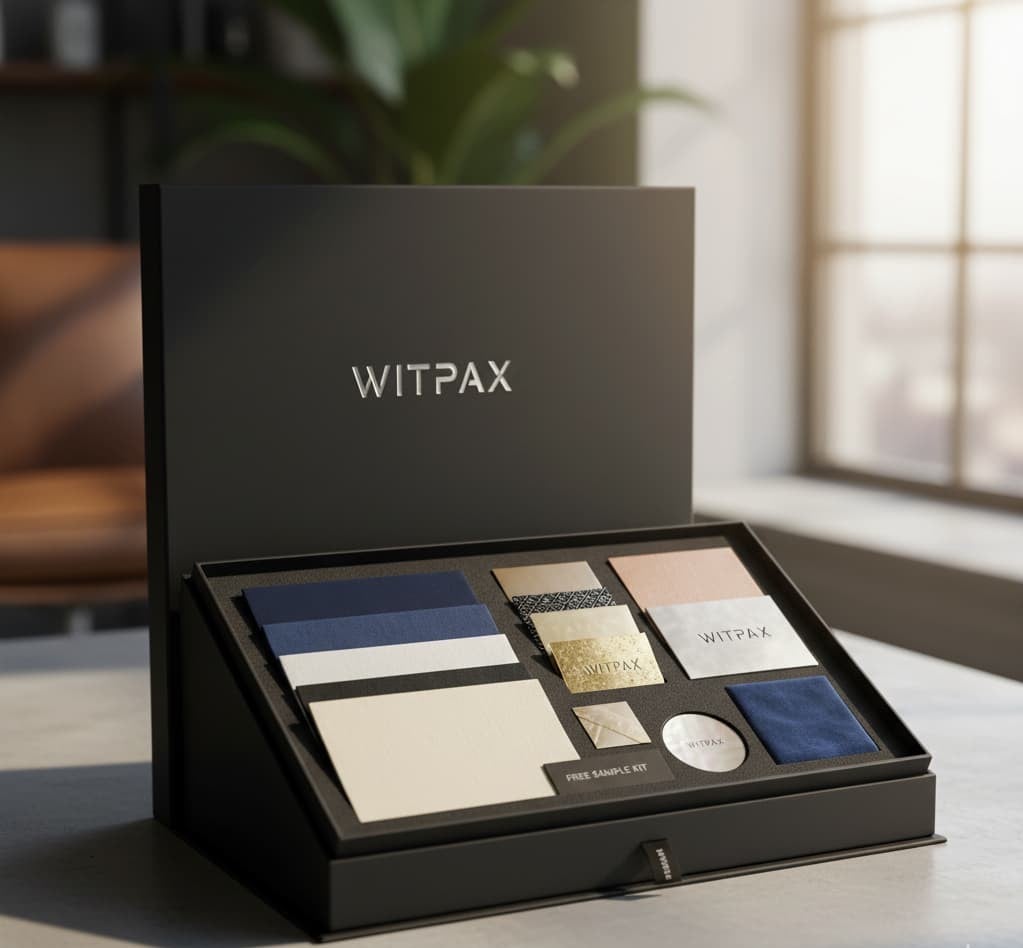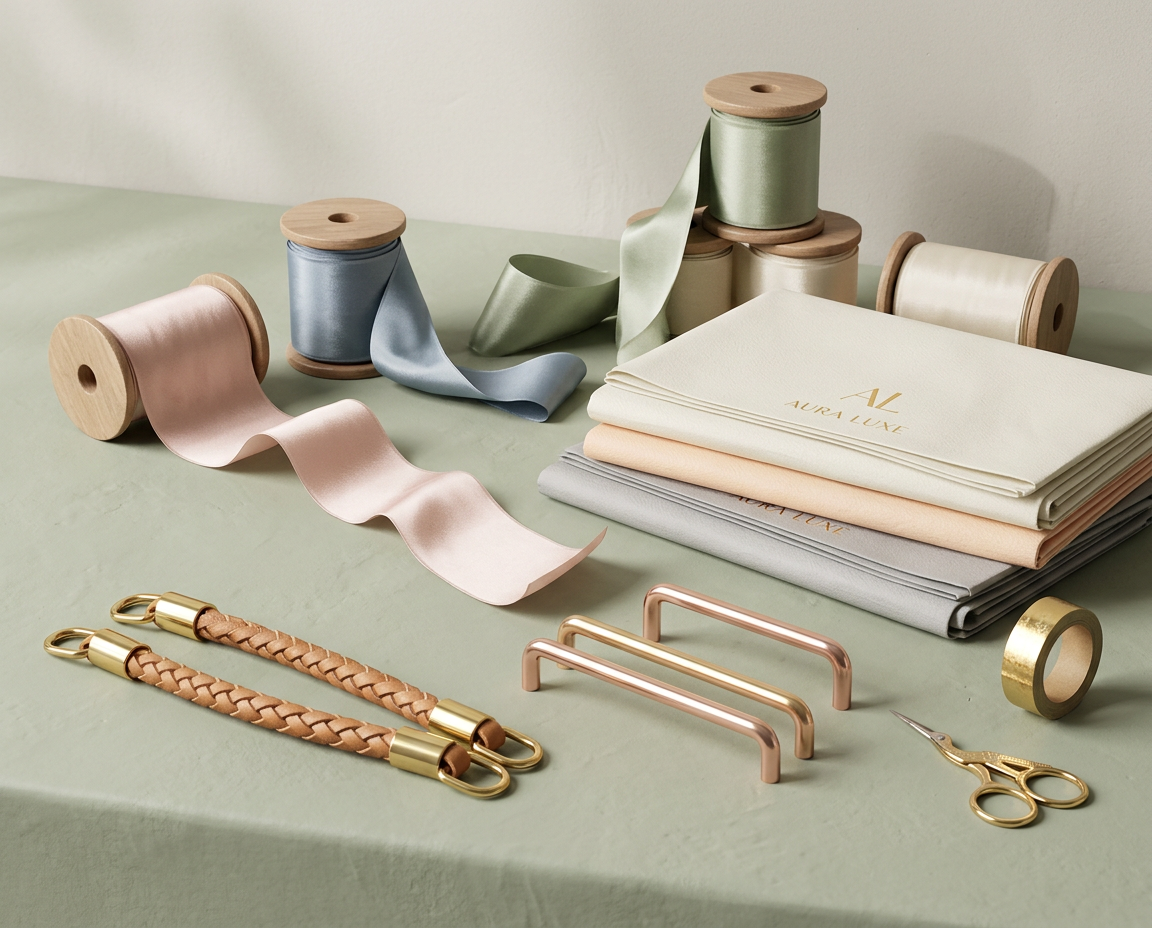
When brands talk about packaging, the conversation usually circles around the box — its shape, its material, its print. But anyone who has opened a truly memorable piece of packaging knows the box is only half the story. The other half lives in the details: the foam cradle holding a watch, the tissue paper hiding a sweater, the wax seal closing a pouch, the crinkle-cut kraft protecting a glass bottle. These are packaging accessories — and they often do more emotional and functional work per gram than the box they travel in.
What Are Packaging Accessories and Why Do They Matter?
Packaging accessories are the secondary components that sit inside, on, or around the primary box to protect the product, secure the package, and shape the unboxing moment. They define how the product arrives, how it feels in the customer’s hands, and how closely the final experience matches the brand promise printed on the outside. A $40 candle shipped loose in a branded mailer feels like a $20 candle. The same candle nested in a kraft tray, wrapped in printed tissue, and sealed with a branded sticker feels like a $60 candle.
How Do Packaging Accessories Affect Product Protection and Brand Experience?
Accessories solve two problems at once: physical and perceptual. Physically, they absorb shock, immobilize fragile items, and keep contents sealed through the supply chain. Perceptually, they slow down the unboxing and give the customer a reason to photograph what they just opened. Picking them after the box is already tooled is one of the most expensive mistakes in packaging — they belong inside the broader packaging design process from day one.
What Are Packaging Accessories?
Definition of Packaging Accessories in the Supply Chain
Packaging accessories are the non-primary components you add to a packaging unit to complete its function and presentation. They sit between the product and the outer container, or between the container and the customer — foam inserts, molded pulp trays, tissue paper, void fill, branded stickers, hang tags, ribbons, dividers, and thank-you cards.
How Packaging Accessories Differ From Primary Packaging
Primary packaging is the load-bearing container: the rigid box, the mailer, the tube, the carton. Accessories are everything inside that container plus the finishing touches on the outside. Primary packaging defines cost and structure; accessories define experience and last-mile protection.
Why Accessories Are Often Overlooked in Early Design Briefs
Accessories feel small. A $0.12 insert card doesn’t look like a priority next to a $3 rigid box. But accessories carry a disproportionate share of the unboxing experience, and they’re usually where MOQ, sustainability, and logistics complications hide. Briefing them late means accepting whatever is available off the shelf.
What Are the Main Categories of Packaging Accessories?
Most packaging projects use a mix of all four families below.
| Category | Purpose | Typical Examples |
| Protective | Absorb shock, immobilize product, fill void | Foam inserts, molded pulp trays, crinkle paper, air pillows |
| Closure | Seal, secure, show tamper evidence | Custom tape, stickers, ribbons, wax seals, tamper bands |
| Presentation | Slow unboxing, add texture, signal premium | Tissue paper, insert cards, belly bands, dust bags |
| Functional | Improve usability in retail or at home | Handles, dividers, hang tabs, reclosable zippers |
A good accessory mix uses every layer your product and channel actually need — and nothing more.
What Are the Most Common Types of Packaging Inserts?
Inserts are the most important accessory category because they solve protection and presentation at the same time. The insert is the first thing the customer sees when the lid comes off — it decides whether the product looks nested or dumped.
What Is a Cardboard Insert and When Is It Used?
A cardboard insert is a die-cut or scored piece of paperboard or corrugated board shaped to hold your product in position. It’s the lowest-cost insert format and the most recyclable. Best for lightweight, non-fragile items — tech accessories, stationery, cosmetics, candles under ~500g. Cardboard inserts pair naturally with corrugated cardboard construction because materials match, ship flat together, and recycle in the same stream.
What Is an EVA Foam Insert and When Is It Used?
EVA (ethylene-vinyl acetate) is a dense, closed-cell foam that can be CNC-cut or die-cut into precise cavities. It’s the default for products that need real shock absorption and a premium cradled feel — watches, electronics, high-end cosmetics, perfume bottles. Black EVA with a velvet top layer is one of the most recognizable premium looks in packaging. Trade-offs: higher cost, tooling complexity, and EVA is not curbside recyclable in most markets.
What Is a Molded Pulp Insert and Why Is It Sustainable?
Molded pulp is recycled paper fiber pressed into a 3D shape in a heated mold. It holds complex geometry, cradles products as well as foam, and is fully curbside recyclable or compostable. Tooling is relatively expensive and MOQs are higher, so pulp makes most sense above a few thousand units. If sustainability is a core brand pillar, it’s usually the right call — see our rundown of biodegradable molded pulp options.
What Is a Fabric or Velvet Insert and Where Is It Used?
Fabric and velvet inserts are usually a foam or cardboard core wrapped in a textile finish. They add a luxury-retail signal and are standard in jewelry, watches, fine fragrance, and executive gifting. Most effective inside rigid boxes where the lid reveal is theatrical — for example, velvet-lined gift boxes.
What Is a Die-Cut Paper Insert?
A die-cut paper insert is a flat sheet of heavyweight paper or card stock cut with a steel rule die to hold a product through slots, windows, or shaped cutouts. It’s the cheapest way to make a product look intentionally placed — common in cosmetics sets, subscription boxes, and candle kits. Low tooling cost and fast lead times make it ideal for small-batch brands.
What Is a Thermoformed Plastic Insert?
Thermoformed inserts are made by heating a plastic sheet (PET, PVC, PS, or rPET) and vacuum-forming it into a tray. Precise, clean-looking, and cheap at volume — they dominate retail electronics, toys, and big-box consumer goods. Virgin plastic reads off-brand for sustainability-positioned companies; rPET versions are now a credible middle path.
How to Choose the Right Insert for Your Product
How Product Weight and Fragility Determine Insert Material
Under ~300g and low fragility: cardboard or die-cut paper. 300g–1.5kg with moderate fragility: molded pulp or lightweight foam. Above 1.5kg or glass/electronics: EVA or multi-layer foam. The insert has to survive the drop height your carrier actually drops parcels from — which is usually more than you’d like.
How Brand Positioning Affects Insert Choice
Value brands land on die-cut paper, thermoform, or basic cardboard. Mid-market premium lands on molded pulp or simple EVA. Luxury lands on velvet-wrapped foam, fabric-lined inserts, and custom-milled EVA with flocked surfaces. Customers read the insert as a brand statement before they touch the product.
How MOQ and Tooling Cost Affect Insert Selection
Roughly: die-cut paper < cardboard < thermoformed plastic < EVA foam < molded pulp < fabric-wrapped foam. Under 500 units, die-cut and cardboard win on economics. 500–5,000: EVA and thermoform are competitive. Above 5,000, molded pulp becomes cheaper than EVA per unit.
How Sustainability Priorities Narrow Insert Options
If your brand has made eco commitments in writing, the options collapse fast: molded pulp, die-cut paper, cardboard, kraft honeycomb. Everything else requires specific justification. The sustainable options now look just as premium as foam when designed well.
Insert Selection Matrix: Product Type × Recommended Insert
| Product Type | Primary Recommendation | Premium Alternative |
| Candle (single) | Cardboard insert | Molded pulp tray |
| Candle set (3–5) | Die-cut paper divider | Rigid tray with velvet |
| Skincare set | Molded pulp | EVA foam with flocking |
| Perfume bottle | EVA foam cradle | Velvet-wrapped foam |
| Watch | EVA foam + velvet top | Fabric pillow insert |
| Jewelry | Foam + velvet or silk | Custom shaped ring slot |
| Apparel | Tissue paper + belly band | Dust bag + card |
| Electronics | Thermoformed (rPET) or EVA | Molded pulp |
| Gourmet food | Kraft crinkle + divider | Molded pulp tray |
What Are the Main Types of Void Fill and Cushioning?
Void fill handles the space inserts don’t — it keeps things from rattling, absorbs compression, and adds visual texture.
What Is Crinkle Paper and When Is It Used?
Crinkle paper is narrow strips of colored or kraft paper with a crimped texture. It’s the default premium void fill for small gift boxes, cosmetics, and candles — cheap, recyclable, and photogenic.
What Is Kraft Honeycomb Wrap?
Kraft honeycomb is a paper wrap with a honeycomb-expanding structure that stretches when pulled. It replaces plastic bubble with a fully paper-based alternative and has become the standard for sustainable e-commerce brands shipping fragile goods.
When Should You Use Air Pillows vs Paper Void Fill?
Air pillows are cheaper per cubic inch but read as industrial shipping. Paper costs more but reinforces a brand moment. Rule of thumb: use air pillows for utility shipments (replacement parts, bulk, wholesale); use paper for anything a consumer will unbox on camera.
What Is Corrugated Bubble Wrap?
Thin corrugated paper with a die-cut hexagonal pattern that flexes around fragile items like a paper version of bubble wrap. It protects as well as plastic for most consumer products and recycles in the normal paper stream.
Why Void Fill Choice Affects Unboxing Experience
Void fill is the opening frame of your unboxing video. Cheap peanuts tell a different story than matched-color crinkle. Matching your void fill to your e-commerce mailer box setup is a low-cost way to lift perceived value by a full tier.
What Are the Most Common Closure Accessories for Packaging?
What Is Custom Packaging Tape and When Is It Used?
Printed paper tape or kraft gummed tape replaces plain clear tape on the outside of a mailer or shipper. It turns shipping boxes into marketing surfaces — one of the highest-ROI upgrades in packaging.
What Are Branded Stickers and Seals?
Die-cut labels applied to tissue paper, belly bands, or box flaps. Cheap, fast, and let you rebrand generic materials for small runs. Wax-look vinyl seals split the difference between cost and perceived luxury.
What Is a Tamper-Evident Seal?
Adhesive strips or shrink bands that visibly break when opened. They signal trust — essential for food, supplements, and cosmetics where customers want proof no one opened the package in transit.
When Should You Use Ribbons and Bows in Packaging?
Ribbons belong in seasonal/gift-focused brands or products where the customer is meant to keep the box (jewelry, luxury accessories). Avoid them for everyday DTC unless the brand explicitly trades on gifting.
What Are Magnetic Closures in Accessory Form?
Embedded rare-earth magnets concealed inside the flap and wall of a rigid box. Technically a box feature, but the quiet click when the lid snaps shut is one of the most distinctive sensory cues in premium packaging. Full breakdown in magnetic closure rigid boxes.
What Presentation Accessories Elevate the Unboxing Experience?
What Is Tissue Paper in Packaging and How Is It Used?
Thin, lightweight paper wrapped around the product inside the box, creating a visual layer between the lid and the item. It’s the highest-leverage accessory in consumer packaging: cheap, recyclable, brandable, and universally read as “this was packed with intention.”
What Are Thank You Cards and Insert Cards?
Small printed pieces tucked inside the box — thank-you notes, care instructions, product stories, or discount codes. They’re the direct voice of the brand inside the package. Digitally printed at low MOQs; foil or emboss at higher volumes.
What Are Belly Bands and Paper Wraps?
A belly band is a narrow paper band wrapped around a product or tissue-wrapped bundle. Paper wraps are wider sheets enveloping the whole product. Both add a layer of discovery — the customer has to break or slide off the band before reaching the product.
How Do Drawstring Bags Function as Packaging Accessories?
Cotton, muslin, canvas, or nonwoven bags that act as a reusable inner layer. Standard for jewelry, small leather goods, and premium apparel. They double as storage bags after unboxing, extending the brand’s presence in the customer’s home.
When to Use Dust Bags in Luxury Packaging
Soft fabric pouches for handbags, shoes, watches, and jewelry — protection from dust and scratches during long-term storage. Outside of luxury they’re usually overkill; inside luxury they’re non-negotiable. More category-specific notes in our apparel packaging experience.
What Functional Accessories Improve Packaging Usability?
What Are Packaging Handles and When Are They Needed?
Rope, ribbon, folded-paper, or die-cut cardboard handles turn a box into something carryable. Essential for gift sets, retail carry boxes, event giveaways, and any package heavy enough that a customer would otherwise put a second bag around it.
What Are Dividers and Partitions Used For?
Paperboard, corrugated, or chipboard components that segment the interior of a box into compartments. Standard for multi-SKU kits, beverage packs, cosmetics sets, and candle collections. They also keep products from scratching each other in transit.
What Are Hang Tabs and How Do They Support Retail Display?
Adhesive plastic or paper hooks applied to the back of a package so it can hang on a retail peg. If you’re selling through physical retail, hang tabs convert your shipper or blister directly into shelf-ready inventory.
What Are Reclosable Features (zippers, adhesives, re-seals)?
Reclosable zippers, press-to-close adhesives, and tuck-flap re-seals let the customer open and reclose the package. Essential for food, coffee, supplements, and any consumable not finished in a single use.
What Decorative and Finishing Accessories Add Brand Value?
What Is a Hot Stamping Label vs a Printed Sticker?
Hot stamping applies metallic foil directly to paper or card using heat and pressure — sharp, reflective, premium. Printed stickers are cheaper and faster but read as less considered. Hot stamp for hero SKUs and limited editions; printed stickers for seasonal or promotional runs.
How Do Hang Tags Communicate Brand Story?
A hang tag attached by string or elastic is a miniature brand document — care instructions, origin stories, material certifications, artisan credits. Well-designed hang tags get saved and photographed, an unusually high return on a $0.15 accessory.
What Are Wax Seals and When Are They Used?
Real or vinyl-mimic wax impressions applied to envelopes, belly bands, or pouches. They read as old-world, handmade, and deliberate — common in letter-style packaging, fragrance, and craft-positioned food and beverage.
Why Small Details Like Edge Painting and Foil Stickers Matter
Edge-painted card, foil-edged stickers, and spot-gloss details cost very little per unit but signal obsessive craft. These are the details that separate a “nice” package from one customers actively share — directly tied to retail-ready finishing decisions for shelf-facing products.
How Do Packaging Accessories Affect Unit Cost?
Which Accessories Add the Most Cost to a Packaging Unit
Custom-tooled EVA foam, molded pulp, fabric-wrapped inserts, printed ribbons, wax seals, and hot-stamped hang tags. Anything requiring unique tooling or hand assembly adds labor and time on top of material cost.
Which Accessories Deliver the Highest Perceived Value per Dollar
Custom tissue paper, branded packaging tape, insert cards, die-cut paper inserts, kraft crinkle. All under $0.50 at reasonable volumes and all move perceived value dramatically.
How MOQ Affects Accessory Unit Cost
Accessory MOQs are usually lower than box MOQs for simple items (paper, tissue, tape) and higher for tooled items (pulp, EVA). A common mistake: ordering 500 boxes, then discovering the molded pulp insert needs 5,000 units minimum. Sync accessory MOQs with your box MOQ before committing.
Why Bundling Accessories With the Main Box Saves Tooling
Sourcing box and accessories from one manufacturer amortizes tooling, cuts freight, removes coordination overhead, and makes matching colors and finishes easier. For brands past the trial stage, bundling is the default — and for those that want end-to-end ownership, we cover the approach in our guide to fully bespoke packaging solutions.
How Do Packaging Accessories Impact Sustainability?
Why Plastic-Based Accessories Hurt Recyclability
A paper box with a plastic insert, plastic tape, and plastic void fill becomes effectively non-recyclable in most curbside programs because the customer has to separate materials they’re unlikely to separate. The chain breaks at the weakest accessory.
Paper-Based Alternatives to Foam and Plastic Cushioning
Molded pulp, kraft honeycomb, corrugated bubble, and crinkle paper cover nearly every use case that foam and plastic bubble used to own. The gap has closed in the last five years.
How to Replace Ribbons, Tapes, and Plastic Wraps With Eco Options
Replace plastic packing tape with paper gummed tape. Replace poly ribbons with cotton or paper-twist ribbons. Replace plastic shrink bands with paper bands or stickers. Replace plastic windows with glassine. Each swap is small; together they make the package fully paper-recyclable.
Why Single-Material Accessory Design Matters for End-of-Life
Mono-material design — keeping the entire package in one material family — is the biggest sustainability decision after material choice itself. For the operational detail, see the Witpax sustainable packaging approach. Printed accessories can go further by using soy-based inks for printed accessories instead of petroleum-based inks.
Which Packaging Accessories Are Best for Each Industry?
Best Packaging Accessories for Cosmetics
Cosmetics lean on molded pulp or die-cut paper inserts, branded tissue, and insert cards with ingredient stories. Hot-stamped logos on outer sleeves are common for premium lines. More in our cosmetic packaging solutions overview.
Best Packaging Accessories for Perfume
Perfume needs serious protection plus theatrical reveal — EVA foam cradles, velvet liners, satin ribbons, and heavy hang tags. The bottle is the hero; the accessories frame it. See perfume packaging examples.
Best Packaging Accessories for Jewelry
Jewelry is accessory-heavy by definition: velvet pads, ring slots, necklace hooks, dust pouches, polishing cloths, certificate cards. Every surface the piece touches has to protect finish. More in jewelry packaging solutions.
Best Packaging Accessories for Candles
Candles need divider trays for multi-packs, crinkle or honeycomb for single shipments, and printed belly bands to tie collections together. See candle packaging inspiration for small-business-friendly formats.
Best Packaging Accessories for Apparel
Apparel defaults to tissue paper, branded stickers, belly bands around folded items, dust bags for premium pieces, and care-instruction hang tags. Quick reference in apparel packaging.
Best Packaging Accessories for E-commerce
E-commerce optimizes for last-mile: kraft honeycomb, paper void fill, custom packaging tape, lightweight mailer inserts. Weight and cube directly drive shipping cost. More in e-commerce packaging.
What Are the Most Common Mistakes When Choosing Packaging Accessories?
Over-accessorizing dilutes the unboxing experience. Three layers of tissue, a belly band, a ribbon, a card, a foam insert, and a sticker — at some point the customer stops experiencing and starts excavating. Pick one or two hero moments; let everything else be quiet.
Mismatched accessory quality undermines premium boxes. A rigid magnetic box with cheap shredded newsprint inside immediately cheapens the whole package. Accessory quality has to match — or ideally exceed — the box it lives in.
Ignoring accessory MOQ kills small-batch budgets. Founders who source boxes at 500 units, then learn their molded pulp tray needs 5,000 minimum, end up compromising the design to hit budget. Confirm every accessory MOQ before locking the design.
Plastic accessories conflict with eco brand positioning. If your brand talks about sustainability, a plastic insert is a contradiction customers notice. Audit every accessory against the story you tell on your site.
Accessories without brand consistency waste spend. Off-brand colors, generic tissue, stock ribbon, mismatched fonts on stickers — each is a small leak. Accessories only compound brand equity when they reinforce the system.
How Do Packaging Accessories Connect to the Bigger Packaging Design Picture?
How Accessories Extend the Design System Beyond the Box
Good packaging is a system: structure, surface graphics, accessories, and finishing all speak in one voice. Accessories are where the system reaches into the customer’s hands. Briefed together, they make the system coherent; briefed separately, they fracture it. That’s why we treat them as a first-class design problem in the packaging design process.
How Accessory Choice Reinforces Packaging Type Decisions
A mailer with printed tape, kraft crinkle, and a thank-you card tells one story. A rigid box with velvet insert and ribbon tells another. Accessory mix has to reinforce — not fight — the primary packaging format. See packaging type selection for how the primary format sets the accessory envelope.
Why Accessories Should Be Briefed Together With the Main Box, Not After
Briefing accessories alongside the box lets the manufacturer spec MOQs, tooling, and materials as one system, and lets the designer think in layers rather than in isolated components. The product is better; the project is cheaper.
How to Source Packaging Accessories From a Manufacturer
Why Working With a One-Stop Manufacturer Reduces Accessory Complexity
Sourcing accessories separately from the box means managing multiple vendors, reconciling color targets across factories, aligning lead times, and paying freight twice. A one-stop manufacturer absorbs all of that into a single project.
How Low-MOQ Accessory Production Enables Testing
Small-batch accessory runs — a few hundred insert cards, a few hundred printed stickers — let brands test unboxing variations before committing to the full run. Treat accessories as your lowest-risk A/B surface.
How End-to-End Service Handles Box + Accessories Together
End-to-end service means one team owns structure, print, inserts, tissue, tape, and finishing as a single brief. Tooling shares. Color matches. Shipping consolidates. That’s the core of Witpax’s end-to-end packaging service.
Packaging Accessories Checklist Before You Order
Run every accessory through this 10-point check before production:
- Product fit — does it actually protect or present this specific product?
- Brand fit — does it match the brand voice on the rest of the package?
- MOQ — is the accessory MOQ aligned with your box MOQ?
- Sustainability — is it consistent with the eco claims on your site?
- Budget — does it fit the per-unit target, or can it justify the overage?
- Tooling — is the tooling cost amortized across a realistic volume?
- Lead time — does it ship in time with the rest of the package?
- QC — is there a clear acceptance spec (color, dimension, finish)?
- Consistency — do color, finish, and material match the primary box?
- Unboxing test — have you opened a physical sample on video before approving?
If any one is shaky, the accessory isn’t ready to order yet.
How to Start a Custom Packaging Accessories Project With Witpax
Accessories are where packaging projects either come together or fall apart. The brands that get this right treat inserts, tissue, tape, and finishing as part of one brief — not a list of add-ons after the box is already locked. That’s how we work at Witpax: box and accessories as one system, one supplier, one brief, one coherent unboxing.If you have a product in front of you now and you’re trying to figure out the right accessory mix, request a custom quote and we’ll scope the full system — structure, inserts, and finishing — in one pass. If you’d rather see what that looks like in practice first, browse our accessory case studies across cosmetics, fragrance, candles, jewelry, and DTC e-commerce.